
Blog Post
Winter Lawn Care Tips for Palm Coast and Flagler County

Author: Keith Connolly
October 31, 2026
In Palm Coast, winter lawn care often means doing less. Most lawns here have warm-season grass, such as St. Augustine grass, bahiagrass, or zoysia. As temperatures cool, growth slows, and the grass may go partly dormant. This is a normal part of the season. Here are five simple winter lawn care tips to help you…

In Palm Coast, winter lawn care often means doing less. Most lawns here have warm-season grass, such as St. Augustine grass, bahiagrass, or zoysia. As temperatures cool, growth slows, and the grass may go partly dormant. This is a normal part of the season.
Here are five simple winter lawn care tips to help you care for your yard this season.
- Skip fertilizer until mid-April
- Keep mowing at the tallest setting, but not as often
- Water only when the grass shows it needs it
- Protect tender plants on freeze nights
- Don’t panic if the lawn turns brown
On this page
- What Happens to a Palm Coast Lawn in Winter?
- Should You Fertilize Your Lawn in Winter?
- How Often and When Should You Mow Your Lawn in Winter?
- How Often Should You Water a Dormant Lawn?
- How Do You Keep Winter Weeds Out of Your Lawn?
- What Causes Brown Patches in a Winter Lawn?
- How Do You Protect Plants and Shrubs on Freeze Nights?
- Is Your Lawn Dead or Just Dormant After a Freeze?
- Should You Aerate or Overseed Your Lawn in Winter?
What Happens to a Palm Coast Lawn in Winter?
From about November through March, grass growth slows in Palm Coast, and you may notice some browning as your lawn goes dormant for the winter. Freezing temperatures turn a lawn brown as part of that winter dormancy. Palm Coast gets cool enough for that. Weather records for Palm Coast show average highs in the mid to upper 60s from December through February. Average January lows sit near 50. Data from the Palm Coast weather station puts the frost window around early January to early February. Frost can come earlier or later than that.
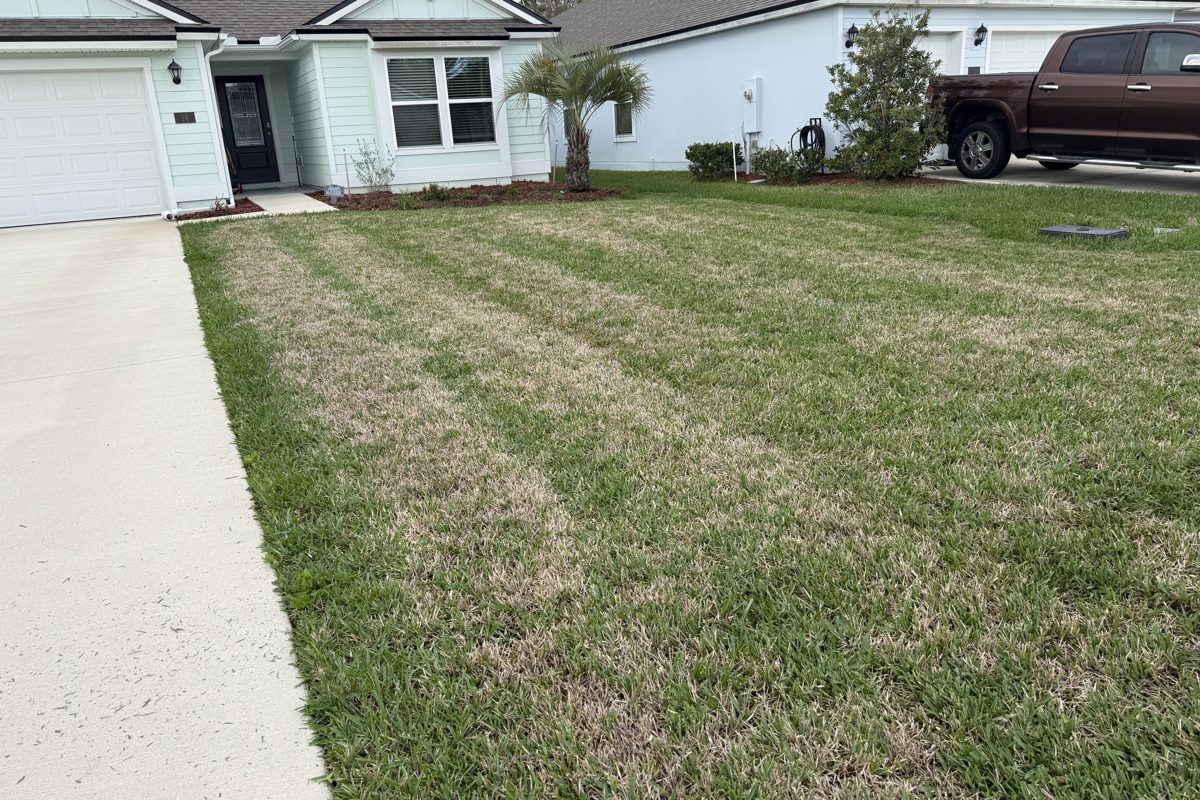
Some lawns stay greener than others in winter. Certain grass varieties handle cold better, so your lawn and your neighbor’s can look different in January.
The grass starts growing again as the days get longer and warmer in spring. By April, average highs are back near 80.
Should You Fertilize Your Lawn in Winter?
No. In Palm Coast, skip fertilizer from mid-September to mid-April.
The University of Florida counts everything north of Ocala as North Florida for lawn fertilizer, and Palm Coast falls in that zone. UF/IFAS Extension, the University of Florida’s extension service for lawns, gardens, and farms, recommends no fertilizer on North Florida lawns from mid-September to mid-April.
Late fertilizer pushes tender new growth right when cold weather arrives, and a lawn that’s still growing is more sensitive to cold. Once the lawn goes dormant, it takes up very little, so winter fertilizer mostly goes to waste.
Many winterizer fertilizers are made for northern lawns and may do more harm than good here in North Florida. UF/IFAS Extension cautions against using products with more than 5 percent nitrogen. That’s because nitrogen encourages tender new growth that can be damaged by cold snaps. Also, keep in mind not to fertilize after a freeze to green the lawn up. Fertilizing then does more harm than waiting for spring. We recommend that you wait until mid-April, when longer, warmer days have the lawn growing again. If you missed the fall feeding, don’t make it up in winter. Once spring growth starts, make sure to use a fertilizer suited to your grass.
How Often and When Should You Mow Your Lawn in Winter?
Keep mowing in winter, but only when the grass has grown enough to need it. At Connolly Landscaping, we adjust our mowing schedule in winter because the grass needs cutting less often. We recommend cutting at the tallest recommended height for your grass, even in winter. Keeping the mowing height high all year helps a lawn handle stress. Here are the recommended heights.
- Most St. Augustine grass varieties: 3.5 to 4 inches
- Bahiagrass: 3.5 to 4 inches
- Centipedegrass and coarse zoysiagrass: 2 to 2.5 inches
Dwarf St. Augustine grass varieties are mowed lower, so check the right height for your variety.
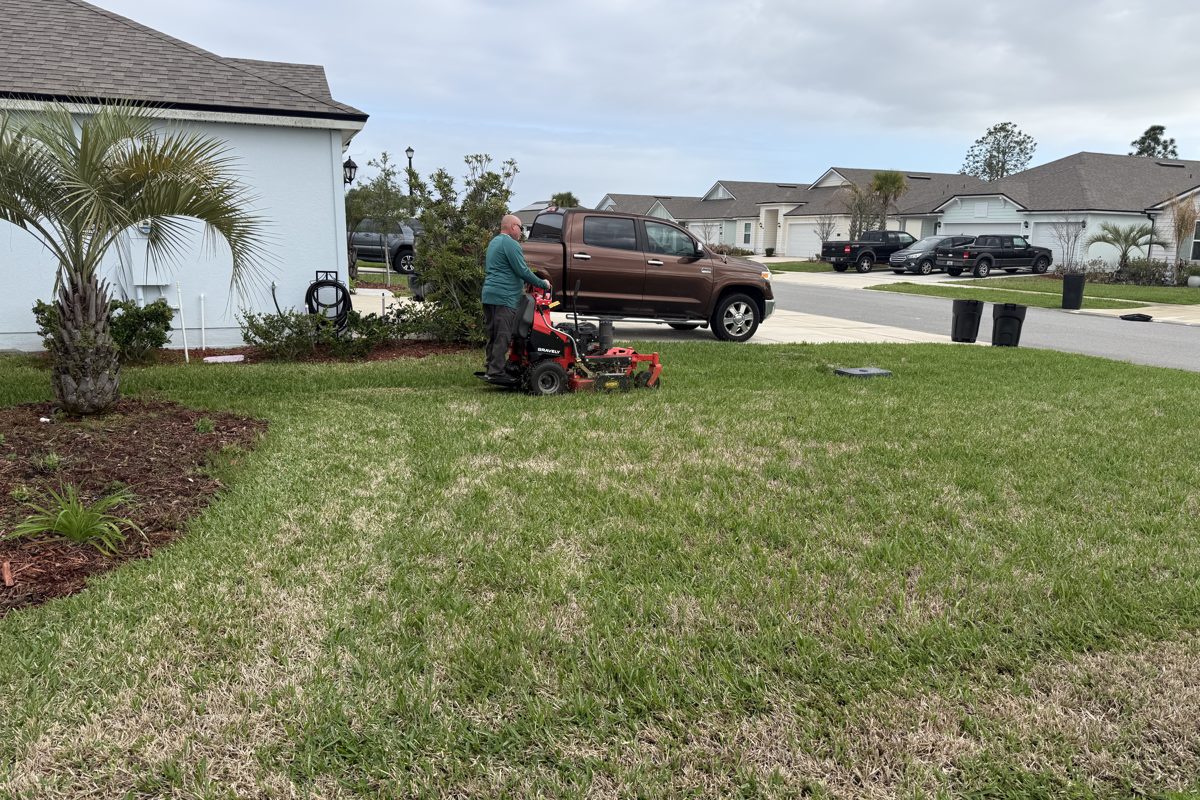
Make sure not to scalp the lawn. Scalping means cutting too low, and a scalped lawn is less able to recover from freeze damage. Never take off more than one third of the grass blade in one mowing.
Remove debris before you mow. Florida pines drop their oldest needles every fall, and Spanish moss falls from the trees. Clear needles, moss, and branches so they don’t mat down on the grass. Wear gloves when picking up fallen Spanish moss, as it may contain chiggers. The moss doesn’t kill the trees it hangs on, and there’s no need to pull it off healthy trees.
One last tip: while you’re mowing less often, take a little time to sharpen your mower blade.
How Often Should You Water a Dormant Lawn?
Water a dormant lawn a lot less than in summer, and only when the grass shows it needs water. For North Florida lawns in winter, UF/IFAS Extension advice runs from about every 10 to 14 days to every 3 to 4 weeks, depending on rain. As a rule of thumb, that’s every couple of weeks, with longer gaps when it rains.
Dormant grass will tell you when it’s time to water your lawn. Watch for these three signs:
- Blades folding in half
- A blue-gray color
- Footprints that stay pressed in
Water in the morning only. Grass that stays wet overnight invites fungus, and overwatering a dormant lawn can lead to root rot. For watering days, hours, and how much to put down, read our guide to watering grass in Florida.
How Do You Keep Winter Weeds Out of Your Lawn?
A thick lawn is your first defense against winter weeds. Weeds move into thin and bare spots, so the less bare ground you have, the fewer weeds you’ll get. The common winter weeds in Florida lawns are lawn burweed, chickweed, henbit, and annual bluegrass. Lawn burweed is the one most people notice, usually in spring, when it forms prickly burs that hurt bare feet.
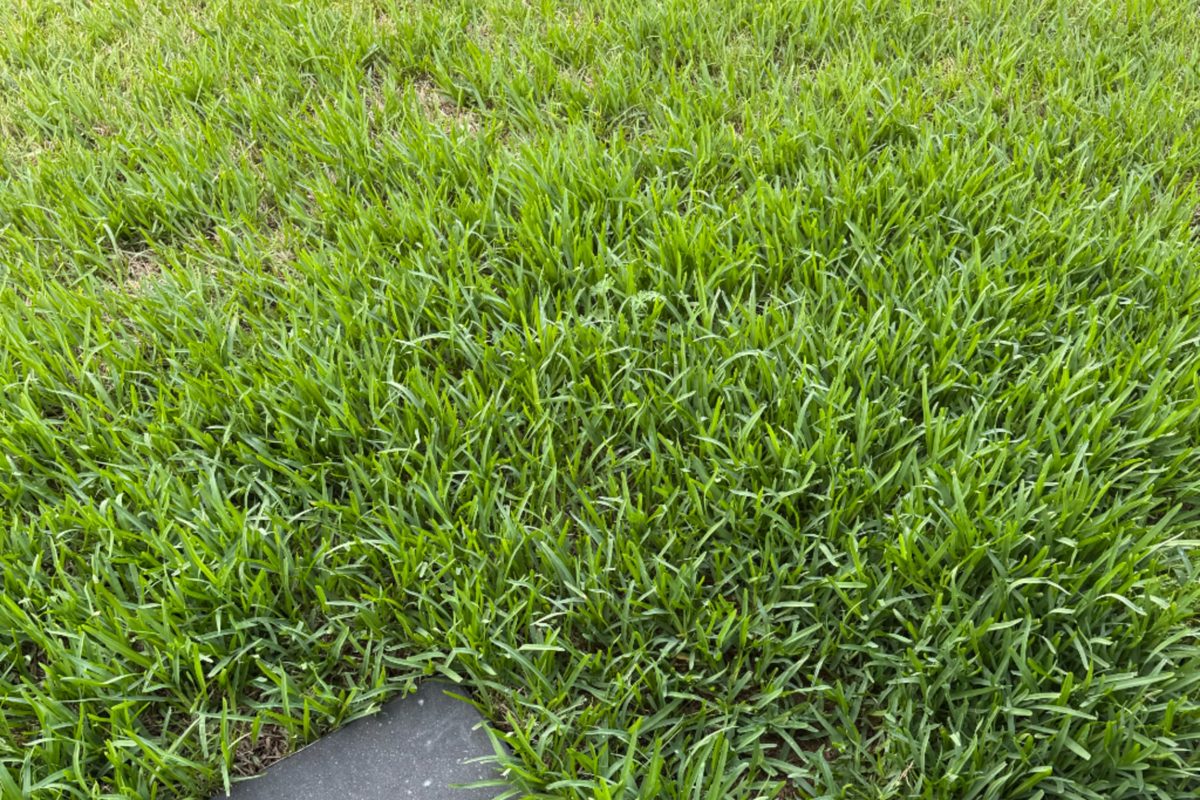
To keep the lawn thick in winter, mow at the tallest recommended height for your grass. Never scalp it, and don’t overwater. Tall, healthy grass shades the soil and leaves weeds less room to sprout.
Pre-emergent weed control is a job for next fall. It only works before weeds sprout, and winter weeds sprout in the cool months. The right time to apply a pre-emergent is when nighttime temperatures stay around 55 to 60 degrees for several nights in a row. Apply it before weeds sprout. Once seedlings appear, it’s too late for a pre-emergent to prevent them.
What Causes Brown Patches in a Winter Lawn?
Round brown patches that keep getting bigger in cool weather are often a fungal disease called large patch. Fungal disease shows up most often once temperatures drop below 80 degrees, usually from November through May. It’s a known fall problem in St. Augustine grass, zoysia, and centipedegrass lawns.
Large patch starts as round patches that spread over time. The edges are darker, sometimes orange, where the fungus is active. The centers are often brown and sunken. To check, pull a grass blade from the edge of a patch. A dark base that smells rotten points to fungus. Normal winter browning looks different. Dormancy browns the lawn evenly, or in the coldest, most exposed spots. Large patch shows up as distinct circles that keep growing.
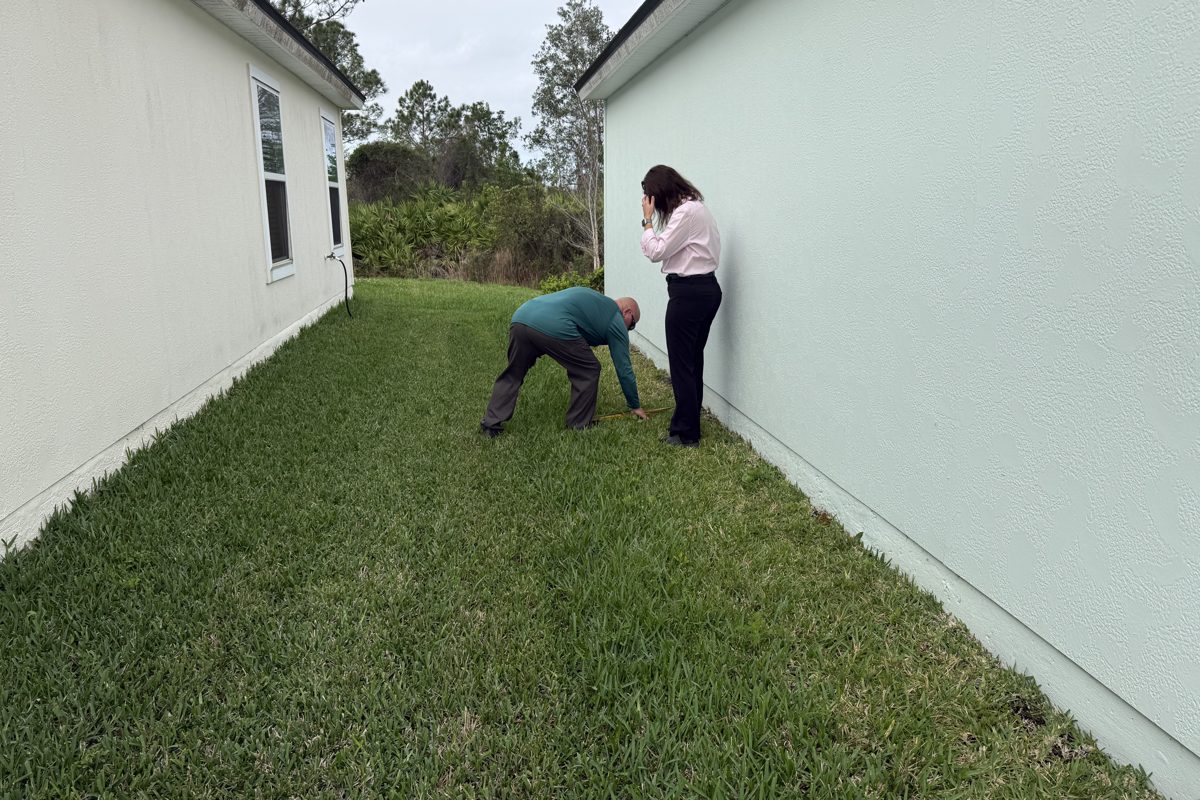
If you think it’s large patch, water only when the lawn needs it, and only in the morning, so the grass spends less time wet. Mow the patches last, then clean the mower blade so you don’t spread the fungus. If the patches keep spreading, a lawn treatment professional can confirm what it is.
How Do You Protect Plants and Shrubs on Freeze Nights?
A little preparation before a freeze can help protect plants and shrubs from cold weather. Focus on these steps:
- Water the day before a freeze. Moist soil holds heat better than dry soil.
- Cover tender plants with sheets, blankets, or frost cloth. The cover should reach the ground and stay off the leaves. That matters most with plastic, which can make the damage worse where it touches.
- Keep mulch over the roots. It helps protect them and keeps the soil warmer.
Keep mulch about 2 to 3 inches deep, leaving space around tree trunks so the base stays uncovered. Avoid piling it against the trunk like a volcano. Pine straw and pine bark are good choices. Our crew follows these practices as part of our mulch and flower bed work.
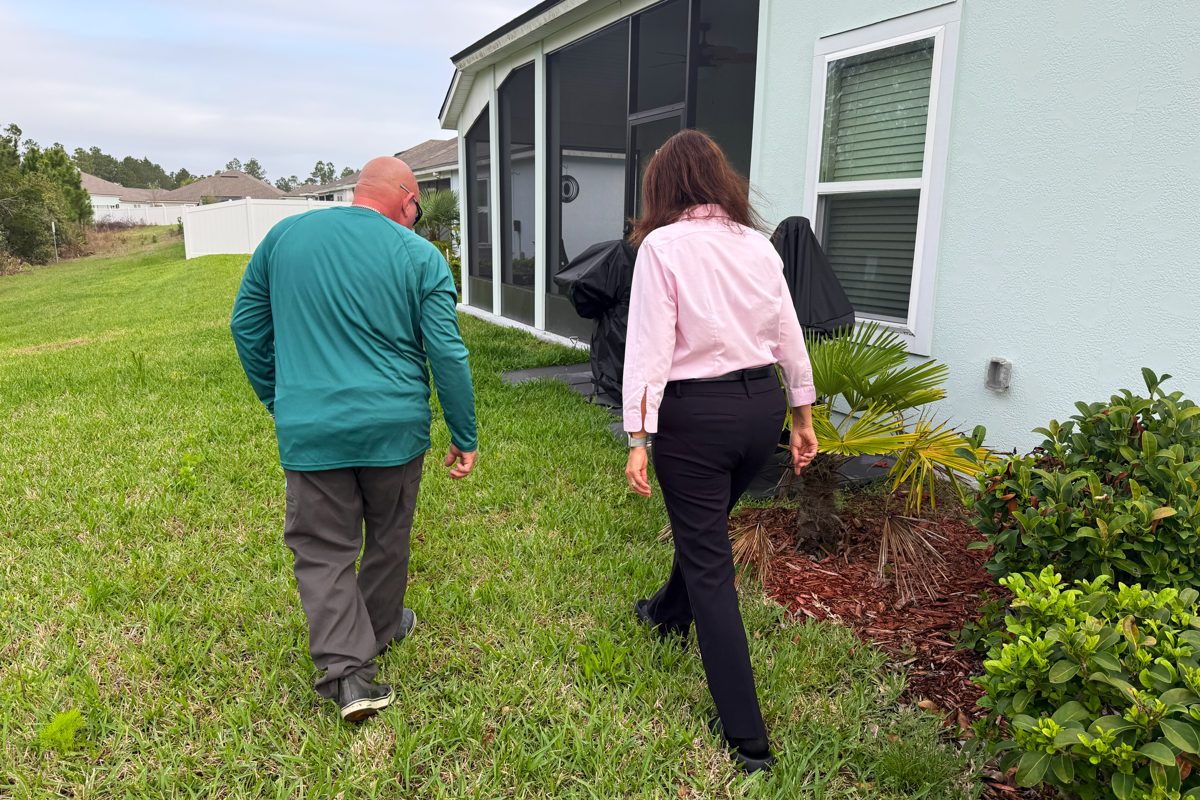
On frosty mornings, let the grass thaw before walking on it. Frost makes the blades brittle, so foot traffic can damage your lawn and leave brown spots.
Avoid pruning in late fall, when tender new growth could be damaged by cold weather. If your plants turn brown after a freeze, give them time to recover. Wait until new growth appears so you can tell what’s recovering and what needs to be removed.
Is Your Lawn Dead or Just Dormant After a Freeze?
After a freeze, a brown lawn is most likely dormant, and there’s an easy way to check. A brown blade doesn’t mean the grass is dead. What matters is whether the runners and roots are still alive. If they are, the lawn should recover in spring.
Here is a simple plug test:
- Cut a few small plugs of grass with the roots attached.
- Put them in a pot.
- Set the pot somewhere warm and sunny.
- Watch for green growth. If the plugs green up, the lawn is alive.
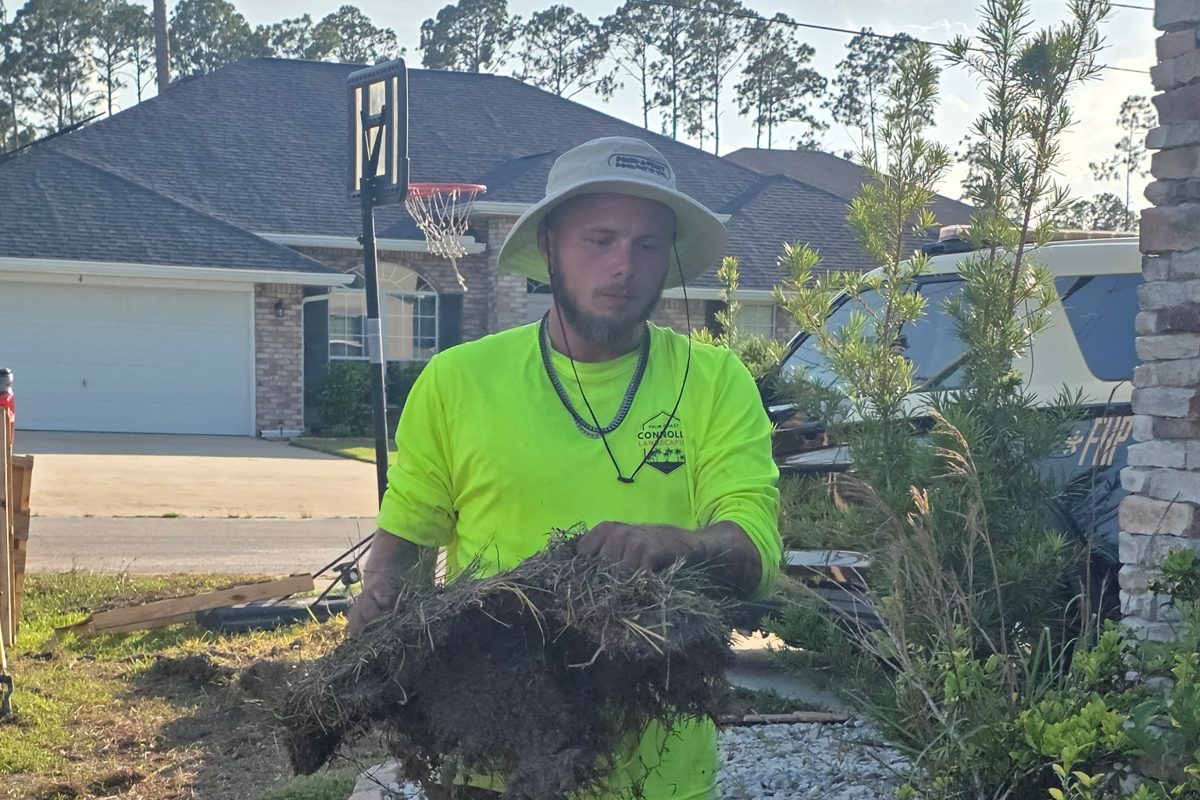
Real winter damage is usually patchy. It shows up in the spots most exposed to cold. Don’t fertilize or water extra to rush the lawn back after a freeze. Wait for spring instead. If some areas truly don’t recover by spring, remove the dead grass and replant with sod or plugs before weeds move into the bare ground. If you’d rather not do it yourself, we handle sod installation in Palm Coast.
Should You Aerate or Overseed Your Lawn in Winter?
For most Palm Coast lawns, no to both.
Aeration pulls small plugs from the ground to loosen compacted soil, meaning soil that’s packed down hard. University turf experts say it works best on a warm-season lawn in late spring, when the grass is actively growing, and most lawns don’t need it every year. Advice to aerate your lawn in late fall usually applies to northern lawns.
Overseeding with ryegrass can keep your lawn green through winter, but it comes with extra upkeep and a risk of pythium disease. In North Florida, the planting window is October through early November. For most homeowners, overseeding is more trouble than it’s worth.
Winter Lawn Care With Connolly Landscaping
We mow lawns across Palm Coast, and in winter our schedule changes because the grass grows more slowly. We also handle cleanup, hedges, and mulch and bed work, so the yard is in good shape when spring growth comes back. If you’d like a hand with your lawn this winter, call or text Keith at 386-243-5451 or get in touch.
Written By: Keith Connolly
Keith Connolly owns and runs Connolly Landscaping in Palm Coast, Florida. He has been working outside on homes since he was twelve, starting with a paper route and a summer job mowing lawns, and he has spent more than thirty years in the outdoor trades since. He runs the company with his two sons, Brandon and Shane, on the same old-school rules: the same crew, the same schedule, and the job gets finished before anyone leaves.
Contact us today
Our team is committed to reliable service, quality workmanship, and making your property stand out. Contact us today for a free estimate, and let’s bring your vision to life.